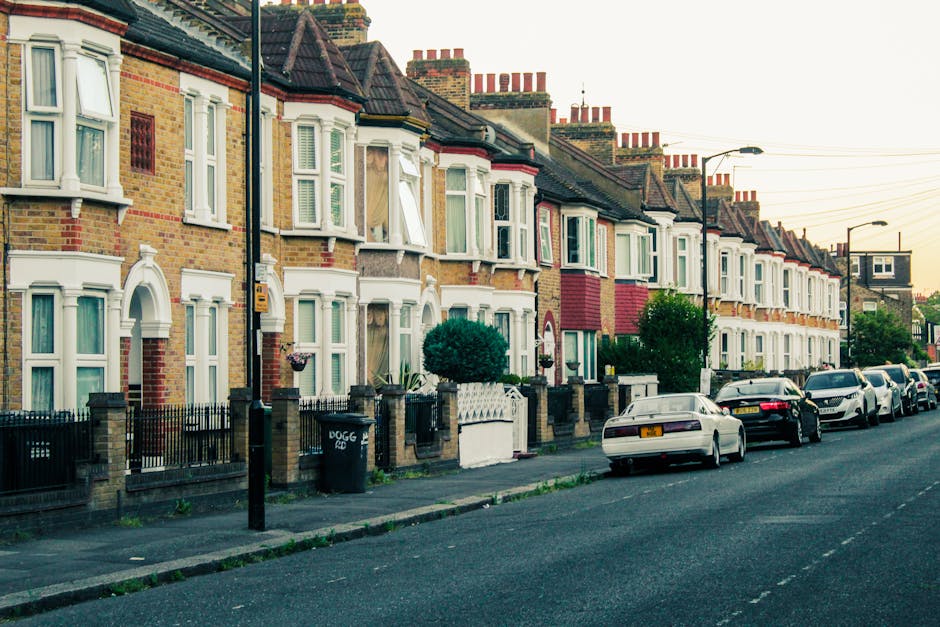
Uxbridge Road House Clearance Tips for Hayes Homeowners
If you live near Uxbridge Road and you are planning a clear-out in Hayes, you probably already know the job can look simple right up until the first cupboard opens. Then it's boxes, mixed waste, old furniture, awkward stairs, and that one room everyone quietly avoids. These Uxbridge Road house clearance tips for Hayes homeowners are here to make the whole thing calmer, quicker, and a lot less stressful.
Whether you are clearing a property after a move, dealing with a family home that has been lived in for decades, or just trying to reclaim a garage that has become a second storage unit, the right approach matters. A good clearance saves time, reduces mess, helps you avoid disposal mistakes, and makes it easier to decide what stays, what goes, and what needs specialist handling. Let's face it, nobody wants to do the same heavy lift twice.
In this guide, you'll find practical advice on planning, sorting, loading, disposal choices, legal basics, and the common traps that trip people up. You'll also see how related services such as house clearance, man and van support, and rubbish removal can fit into the picture depending on your home, access, and timescale.
Table of Contents
- Why this matters for Hayes homeowners
- How the clearance process works
- Key benefits and practical advantages
- Who this is for and when it makes sense
- Step-by-step guidance
- Expert tips for better results
- Common mistakes to avoid
- Tools, resources and recommendations
- Law, compliance, standards, or best practice
- Options, methods, or comparison table
- Case study or real-world example
- Practical checklist
- Conclusion
- Frequently asked questions
Why Uxbridge Road house clearance tips for Hayes homeowners Matters
A house clearance is not just about getting rid of "stuff". It affects safety, space, timing, disposal costs, and sometimes even the condition of the property itself. On a busy route like Uxbridge Road, access can be awkward, parking can be tight, and timing matters more than people expect. One poorly planned clearance can mean wasted journeys, blocked driveways, or piles of items sitting around for days.
For Hayes homeowners, this matters for a few practical reasons. First, homes in the area can vary a lot: terraces, flats, semi-detached houses, older family homes, and properties with lofts, sheds, or outbuildings. That means no one-size-fits-all plan really works. Second, household items are rarely "one type of waste". You might have reusable furniture, electricals, mattresses, garden debris, broken fixtures, and bags of general rubbish all in the same job. Third, many people simply underestimate the physical effort. A cleared room looks easy. Carrying the contents down the stairs is another story entirely.
There's also the emotional side. House clearance often follows a life change: a move, bereavement, downsizing, renting out a property, or helping a relative who has accumulated more than they can manage. That's a lot to carry, even before you touch the boxes. A thoughtful process helps you keep control when the job feels a bit overwhelming.
Expert summary: the best house clearance is not the fastest one; it is the one that is planned, sorted, and matched to the property, the waste type, and the access you actually have.
How Uxbridge Road house clearance tips for Hayes homeowners Works
In simple terms, house clearance means removing unwanted items from a property in an organised way. That may include furniture, white goods, general household rubbish, old carpets, garden waste, loft clutter, shed contents, and sometimes specialist items that need separate disposal.
For most homeowners, the process follows a pattern:
- Look through the property and decide what stays, what goes, and what needs checking.
- Sort items into clear groups: keep, donate, sell, recycle, and dispose.
- Identify bulky, awkward, or restricted items early.
- Choose the right removal method, whether that is a skip, a wait-and-load service, a man and van team, or a fuller clearance service.
- Load and remove the waste safely.
- Make sure the final disposal route is legal and responsible.
The detail changes depending on the home. A first-floor flat on or near Uxbridge Road may need a different approach from a house with a driveway and side access. If parking is tight, a wait and load skip hire arrangement can be much easier than having a skip left outside for days. If the property has a large amount of mixed waste, a bigger solution like skip hire or a fuller clearance visit may make more sense. Truth be told, the best option is usually the one that matches access, volume, and time pressure instead of just the cheapest headline price.
One small but important point: house clearance is not just about removal. It is also about separation. The more carefully you separate recyclable, reusable, and specialist items at the start, the smoother the rest of the job becomes. That tiny bit of effort up front saves a surprising amount of hassle later on.
Key Benefits and Practical Advantages
Done properly, a house clearance brings more than an empty room. It creates order, lowers stress, and gives you a workable space to move forward with.
- Less clutter, faster decisions. Once things are cleared out and grouped properly, it is easier to see what remains.
- Better safety. Removing trip hazards, broken furniture, and heavy stacks reduces the risk of accidents during a move or refurbishment.
- More room to work. This helps if you are decorating, preparing a sale, letting a property, or setting up storage.
- Improved disposal control. A planned clearance reduces the chance of mixing recyclable items with general waste.
- Lower stress for families. Especially when the clearance follows a major life event, a clean structure helps everyone know what's happening.
- Cleaner handover. If you need to return a rental or sell a home, an orderly clearance makes the property easier to present.
There is also a practical cost benefit. When waste is sorted sensibly, you can avoid paying premium rates for items that could have been handled more efficiently. For example, separate appliance removal, mattress disposal, or garden waste removal may be more manageable than throwing everything into one pile and hoping for the best.
And yes, it's satisfying. There is a very particular feeling when a room suddenly has daylight in it again. The echo changes, the floor is visible, and the job starts to feel real. Small victory, but a proper one.
Who This Is For and When It Makes Sense
Not every clearance job needs the same solution. These tips are especially useful if you are:
- moving house and need to reduce what you take with you
- clearing a home after a bereavement or family change
- preparing a property for sale or rental
- emptying a garage, loft, shed, or spare room
- dealing with bulky furniture, broken appliances, or mixed waste
- refreshing a long-term home that has slowly filled up over the years
- working around limited parking, narrow access, or tight time windows near Uxbridge Road
It also makes sense if you are trying to avoid repeated trips to the tip, which sounds manageable until you are doing your third run in a borrowed car with a sofa that barely fits. Been there, and nobody enjoys it. For a lot of Hayes homeowners, using a structured clearance service is simply the more sensible option.
If the property contains a mix of rubbish and reusable goods, consider whether a service that combines loading, transport, and disposal would save time. In some situations, a specialist service such as domestic skip hire or house clearance can be easier than trying to coordinate separate removals yourself.
Step-by-Step Guidance
If you want a cleaner, calmer clearance, a step-by-step method works far better than attacking the nearest room and hoping momentum carries you through. Here's a practical way to approach it.
1. Walk the property first
Do a full walk-through before touching anything. Check the loft, cupboards, under beds, the shed, and any hidden storage spots. In many homes, the real volume is not what you see in the living room. It's the things you forget about. Old filing boxes, spare tiles, broken chairs, and half-used decorating materials have a habit of multiplying in the background.
2. Separate items into clear groups
Use four or five simple groups:
- keep
- donate or pass on
- sell
- recycle
- dispose
Do not overcomplicate it. If you turn sorting into a project in its own right, the room never gets cleared. Keep the process moving.
3. Identify difficult items early
Some items need special handling. These include fridges, freezers, mattresses, sofas, chemicals, paint, and broken electricals. If you suspect something may need separate disposal, set it aside. For example, appliance removal may be best handled through a dedicated service such as fridge and appliance removal, while old seating may be better dealt with through mattress and sofa disposal if that is the kind of waste you have.
4. Choose the right removal method
For smaller jobs, a man and van service may be enough. For larger or mixed clearances, skip hire can be more efficient. If the waste is awkward to store or the road access is limited, a same-day or short-stop solution can help. There is no rule that says you must use the biggest option. In fact, oversized options are often the wrong fit.
5. Protect the property
Before lifting anything, think about floors, walls, door frames, and stairs. Old furniture can scrape paintwork. Heavy objects can chip tiles. A few simple coverings or careful carrying routes can prevent damage that costs more than the clearance itself.
6. Load in the right order
Heavy items should go in first if you are using a skip or vehicle, with lighter and more fragile waste placed around them carefully. Do not create unstable stacks. Also, keep an eye on how the weight is distributed. A lopsided load is a nuisance, and in some cases a safety problem too.
7. Finish with a final sweep
Once the waste is gone, do a final check. Look behind doors, inside cupboards, and under sinks. It is amazing how often one forgotten bag or box survives the whole process. Slightly annoying, but normal.
Expert Tips for Better Results
A few small choices make a big difference during clearance. These are the sorts of details people often skip, then wish they hadn't.
- Clear the pathway before the main lift. Move rugs, shoes, small side tables, and anything that gets in the way.
- Keep tools close by. Gloves, tape, sacks, labels, basic cleaning supplies, and a torch can save time.
- Label everything early. A marker pen and a few simple labels stop mixed piles from getting muddled.
- Measure large items. That old wardrobe may look manageable until it reaches the stairs.
- Plan for parking and access. If the vehicle cannot get near the property, allow for extra carrying time.
- Use a sensible sorting zone. One room, one corner, or one part of the driveway can become your staging area.
- Don't be sentimental with every object. A few items matter deeply. Everything cannot be "just in case".
One useful local tip: if you are working on or near a busy stretch like Uxbridge Road, choose the quietest realistic time window you can manage. Early starts often work well because the property is cooler, traffic is lighter, and everyone is a bit more focused. Come late afternoon, fatigue sets in and the same box suddenly feels twice as heavy. Funny how that works.
If you expect a lot of reusable material, it may be worth separating it for recycling or appropriate reuse. Services linked to waste recycling services and recycling and sustainability can support that approach when disposal is being planned carefully.
Common Mistakes to Avoid
Most clearance problems come from rushing. Not always, but often enough. Here are the big ones.
- Starting without a plan. This leads to piles moving from one room to another and no actual progress.
- Underestimating volume. A "few bags" can become a full load very quickly once cupboards are opened.
- Ignoring restricted items. Fridges, TVs, chemicals, and damaged electrics may need separate handling.
- Mixing everything together. Once items are fully mixed, recycling and reuse become harder.
- Forgetting access issues. Narrow hallways, stairs, and parking restrictions can slow everything down.
- Choosing the wrong disposal method. The cheapest option on paper is not always the cheapest once time, labour, and repeat trips are counted.
- Leaving the final tidy-up. Small debris, screws, dust, and hidden rubbish can make a cleared room feel unfinished.
There's also a more human mistake: trying to do too much emotionally in one go. If you are clearing a family home, you may not be able to make every decision in one afternoon. Fair enough. Pause, label the uncertain items, and come back with a clearer head.
Tools, Resources and Recommendations
You do not need a van full of specialist gear to do a decent clearance, but a small set of tools helps more than people expect.
- strong gloves for lifting and sorting
- heavy-duty refuse sacks or boxes
- marker pens and labels
- tape for securing loose drawers or cabinet doors
- a torch for lofts, cupboards, and dark corners
- basic cleaning supplies for the final sweep
- blankets or covers to protect floors and furniture edges
- a notebook or phone notes app for item lists and decisions
If you are handling a large amount of clutter or a property that has been packed for years, a service designed for bigger clear-outs such as garage and loft clearance can be useful. For garden waste, especially if the property includes overgrown outdoor areas or broken fencing, garden waste removal is often a better fit than trying to mix everything into one general pile.
If you are uncertain about what can go together, checking a guide such as what can go in a skip can help you avoid awkward surprises on the day. That little bit of prep keeps things moving.
Law, Compliance, Standards, or Best Practice
House clearance is practical work, but it still sits inside a framework of UK waste rules and responsible handling. You do not need to become an expert overnight, though you should understand a few basics.
First, waste must be dealt with by a legitimate carrier or route. If someone offers a suspiciously cheap collection and cannot explain where the waste goes, that is a red flag. Fly-tipping creates obvious problems for the community and can become a nasty headache for the property owner if items are handed over carelessly.
Second, some items require extra caution. Electricals, fridges, freezers, and hazardous materials should not simply be mixed with ordinary rubbish. When in doubt, separate them and ask before loading. For more sensitive waste streams, a service such as hazardous waste disposal exists for exactly that reason.
Third, if you are using a skip on a public road, you may need a permit depending on the location and setup. The exact arrangement depends on access and local conditions, so it is worth checking the practicalities in advance through pages such as skip permits or skip hire permits. Planning this late is one of those mistakes that turns a simple job into a delay.
Fourth, safety matters. Heavy lifting, sharp edges, dust, mould, and unstable stacks are all real risks. Good providers should work with sensible safety practices, and homeowners should avoid taking unnecessary chances. If a room smells damp or an item looks unstable, slow down. A careful minute beats a bruised back. Every time.
Options, Methods, or Comparison Table
Choosing the right removal method is often the biggest decision. Here is a straightforward comparison to help you think it through.
| Method | Best for | Strengths | Watch-outs |
|---|---|---|---|
| Skip hire | Mixed waste, larger volumes, ongoing clear-outs | Useful capacity, flexible loading, good for bigger jobs | Needs space, may need a permit, waste must be loaded correctly |
| Wait and load | Tight access, short jobs, streets with limited parking | No skip left outside, fast turnaround, suits busy roads | Requires you to be ready within the time slot |
| Man and van | Smaller to medium loads, quick removals, awkward lifting | Less physical strain, usually simpler for homeowners | May not suit very large volumes or repeated loads |
| Full house clearance | Large properties, bereavement clearances, full emptying jobs | Most hands-off for the homeowner, efficient for big projects | Needs clear instructions and a trustworthy provider |
There is no universal winner. A homeowner clearing a loft and garage in one go might prefer a skip size and prices check before deciding. Someone with a narrow road and a small amount of waste may find wait and load skip hire more convenient. The best choice is the one that reduces friction, not the one that sounds most impressive.
Case Study or Real-World Example
A typical Hayes clearance might start with a semi-detached property just off Uxbridge Road where the family has decided to clear the loft, spare bedroom, and garage before a sale. At first glance, the job looks like "a few bags and some furniture". After the first hour, the reality becomes clearer: old paperwork, broken suitcases, a disused exercise bike, a mattress, a fridge, loose timber, and garden debris tucked behind the shed.
The sensible approach would be to sort first, not load first. The family could separate paperwork and personal items, set aside anything reusable, and identify the fridge and mattress as special items. They might then use a combination of removal methods depending on access. For example, a general domestic skip hire solution for mixed waste, plus a separate plan for specialist disposal items, would keep the job tidy and efficient.
What usually makes the difference is not brute force, but sequencing. The smaller decisions happen early: which room first, where to stage the waste, whether the driveway is clear, and what gets removed separately. Once that structure is in place, the job feels much lighter. Not easy, exactly. Just manageable. Which, on a day like that, is a win.
Practical Checklist
Use this checklist before you start:
- Walk through every room, loft, shed, and storage space.
- Separate keep, donate, sell, recycle, and dispose items.
- Check for appliances, mattresses, sofas, chemicals, and other special items.
- Measure large furniture and check access routes.
- Decide whether skip hire, wait and load, man and van, or full clearance is most suitable.
- Plan where waste will be staged before removal.
- Protect floors, stairs, and door frames.
- Confirm parking and access around the property.
- Keep gloves, labels, tape, sacks, and cleaning supplies ready.
- Do a final sweep of cupboards, corners, and hidden spaces.
- Make sure all waste is going through a responsible disposal route.
If you can tick those off without rushing, you are already ahead of the average clearance. Honestly, that's most of the battle.
Conclusion
The best Uxbridge Road house clearance tips for Hayes homeowners are the ones that reduce stress before it starts. Plan the layout, sort items carefully, respect access limits, and match the removal method to the real job in front of you. That approach keeps you safe, saves time, and gives you a cleaner result.
Whether you are handling a small declutter or a full property emptying, the same principle applies: clear method beats frantic effort. A steady, well-planned clearance always feels better at the end, and it usually costs less in wasted energy too.
Get a free quote today and see how much you can save.
And if you are standing in a half-cleared room right now, staring at the pile and wondering where to begin, start with one corner. Just one. The rest follows more easily than you think.
Frequently Asked Questions
What is the easiest way to start a house clearance in Hayes?
Start with a full walk-through and split items into keep, donate, recycle, and dispose groups. That first sort is usually the biggest time-saver, because it stops the same object being handled three times.
Do I need skip hire for a house clearance near Uxbridge Road?
Not always. If access is tight or the job is small, a man and van or wait and load option may suit better. For bigger or ongoing clear-outs, skip hire is often more practical.
Can I put everything from the house into one skip?
Usually no. Some items need separate handling, especially fridges, freezers, certain electricals, and hazardous materials. It is best to check what can go in a skip before loading.
What should I do with old sofas and mattresses?
Set them aside early and treat them as bulky items. Many homeowners use dedicated disposal services for sofas and mattresses because they are awkward, heavy, and not ideal to mix with general rubbish.
How do I clear a loft without making a huge mess?
Use boxes or sacks, keep a clear pathway, and bring items down in smaller loads rather than trying to shift everything at once. A torch, gloves, and labels make loft clearances far easier.
Is it cheaper to clear a house myself?
Sometimes, but not always. DIY clearances can look cheaper until you factor in vehicle hire, fuel, time, repeated trips, and disposal restrictions. A proper comparison is usually worth doing.
What if the property has limited parking?
That is where time-sensitive options like wait and load can help. They reduce the need for a skip sitting outside and can be better for busier roads or tighter access.
Do I need to separate recycling from rubbish?
Yes, if you can. Separating recyclable items, reusable goods, and general waste makes the clearance more efficient and often more responsible as well. It can also reduce avoidable disposal costs.
How long does a house clearance usually take?
It depends on the size of the property, the amount of waste, and how organised the sorting is. A small clearance may be quick; a full property emptying can take much longer, especially if items need sorting first.
What should I do with paperwork and personal documents?
Keep them separate from the rest of the waste and shred or securely store anything sensitive. If you have a lot of documents, confidential shredding may be a sensible option.
Are there local rules I should think about in Hayes?
Yes. Access, parking, and disposal arrangements all matter, especially around busier roads. It helps to check practical local guidance and plan around any permit or access issues before the clearance day.
What is the best option for mixed waste and bulky items?
For mixed waste, a combined approach often works best. A mix of skip hire, specialist removal for appliances or bulky furniture, and sensible sorting gives you the cleanest result with the least hassle.